This is Part 2 of 4. For Part 1, click here
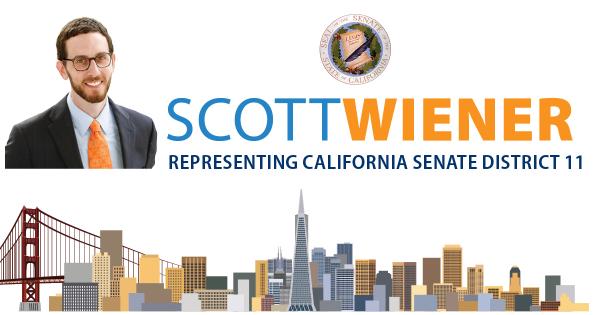
Supporters of SB 1045
Those in favor of SB 1045 believe that the bill is an effective way to address the mental health crisis on the streets; however, without substantial data to support the city’s capability to provide supportive housing and medical services mandated by the bill. Senator Scott Wiener believes that current conservatorship laws, Lanterman Petris Short (LPS) Conservatorship and Assisted Outpatient Treatment ( Laura’s Law) are not adequate in addressing the mental health crisis on the streets. In “Senators Wiener and Stern Announce Bill to Expand Conservatorship to Help Mentally Ill and Drug Addicted People Dying on California’s Street,” the California State Senate quoted Wiener, “California is in the midst of a crisis, with very sick people suffering and dying on our streets… We must take action, and action means helping people get off the streets, into housing and into supportive services to get their lives back.” Wiener believes that the city is doing a humanitarian job by dispatching city officials to intervene with the mentally ill on the streets city, and he surmised that the bill is the most effective solution and a big step in addressing homelessness.
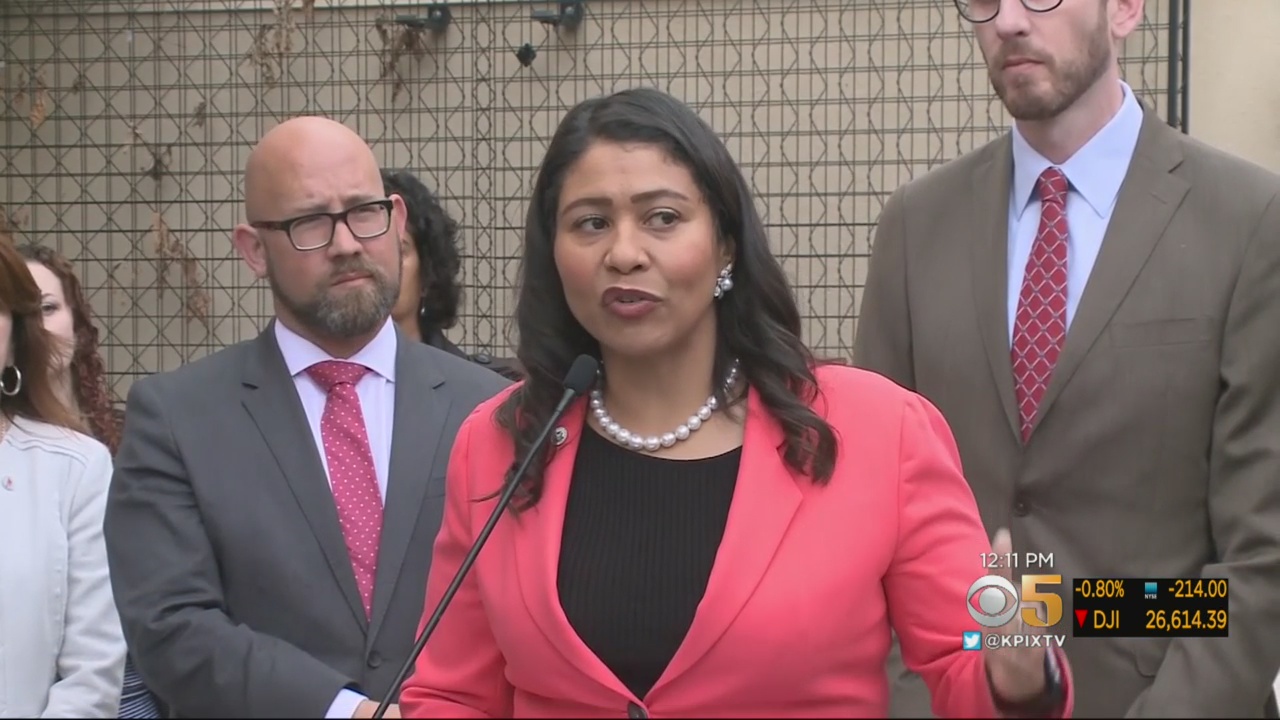
Mayor Breed also believes that SB 1045 will provide a solution that the city much needs. She expressed her concern in her Medium blog post that too many people are suffering from “severe behavioral health and substance use issues” on the streets of San Francisco who end up in hospitals and criminal justice system. Mayor Breed expressed:
It is not humane to allow people with severe mental health and addiction issues to continue to suffer on our streets. This bill would give San Francisco the ability to help individuals who are incapable of caring for themselves, while providing the wraparound services they need to get their lives back on track.
Mayor Breed believes that implementing SB 1045 will make drastic improvements in the mental health crisis; however, she still fails to mention the current waitlists for housing, residential and outpatient substance treatment and transitional homes for homeless people in the city.

Rafael Mandelman also shows his support for SB 1045. Mandelman is the District 8 member of San Francisco Board of Supervisors in California who is in charge of developing the plan for SB 1045. His mother also suffered from from bipolar disorder, schizoaffective disorder and borderline personality (Sawyer). Mandelman frequently saw people running around on streets naked and howling, and began to believe that there needs to be an increase in the city’s use of “conservatorship” to get people into care (Sawyer). Mandelman also believes that SB 1045 will help those who are “cycling in and out of medical system multiple times a year should be held for an extended period, to sober up get on medication, and get back on their feet” (Sawyer). However, Mandelman fails to explain how the city can offer facilities where conservesd individuals feel safe to receive mental health care.

Opponents of SB 1045
Those who oppose SB 1045 are mainly focused on protecting civil rights of homeless people targeted in the bill and showed skepticism because of the city’s lack of adequate resources. Voluntary Services First Coalition (VSFC), lead by Jennifer Friedenbach, the executive director of Coalition on Homelessness San Francisco, is comprised of 12 homeless advocates groups such as Disability Rights California, Disability Rights Advocates, Coalition on Homelessness San Francisco, American Civil Liberties Union and others (Sawyer).
SB 1045 can violate civil rights
First, VSFC expressed that there should be an enhanced mental health care system to help those suffering from mental illness and substance use disorder instead of taking away their civil rights (Sawyer). VSFC believes that California’s current law, “Laura’s Law,” already detains people with serious mental illness who are unable to take care of himself and there is no need for an expansion. Further expanding this conservatorship law can interfere with individual’s civil rights. In their letter “RE: SB 1045 (WIENER) (amended May 1, 2018) – OPPOSE “ addressed to Senator Ricardo Lara of California State Senate, VSFC wrote that SB 1045 will “restrict the personal autonomy rights of persons with disabilities and it lacks any assurance of housing and services.”
Those who believe in protecting civil rights believe that SB 1045 can produce trauma associated with involuntarily hospitalization. Erik Henriques, a Peer Provider Manager for Mental Health Association of San Francisco, a “90 % peer-run organization” comprised of individuals who underwent mental illness at first hand, published an article, “Survivors of Forced Treatment: Erik.” Henriques criticized SB 1045 because it “provokes painful memories of a time when people with mental health challenges were warehoused in state hospitals for years at a time against their will with no true mental health support.” Henriques was conserved at state hospitals in the 80s and this trauma like experience led him to oppose SB 1045.
SB 2015 will not address lack of resources in the mental health care system
VSFC also emphasized city’s lack of resources to help those mentally ill and believes providing them should be the priority of San Francisco. VSFC observed lack of subsidized housing, and quality mental health support system by mentioning long waitlists in both fields, and believe that SB 1045 will not offer the solutions to these demands. VSFC quoted, “Nothing in this (SB 1045) expands housing or access to medical and behavioral health services for individuals who are homeless and have behavioral and medical health treatment needs.” In “SB 1045: Conservatorship A Faulty Approach to the Homeless Crisis,” Jessica Lehman at Senior and Disability Action showed skepticism because SB 1045 would be built on the “false narrative” that homeless people with mental illness choose not to get help when in fact, there are not enough medical services available for them. Lehman also pointed out that implementation of the bill can take away housing or services from anyone who is seeking them voluntarily and in the waitlist, and as long as there are waitlists for these services, the city should not implement SB 1045.
Works Cited
California State Senate. “Senators Wiener and Stern Announce Bill to Expand Conservatorships to Help Mentally Ill and Drug-Addicted People Dying on California’s Streets.” 1 Feb 2018,
https://sd11.senate.ca.gov/news/20180201-senators-wiener-and-stern-announce-bill-expand-conservatorships-help-mentally-ill-and
Sawyer, Nuala. “Mental Health, Homelessness, and Civil Rights: S.F’s Crisis of Conscience.” San Francisco Weekly, 20 Mar 2019.
http://www.sfweekly.com/news/mental-health-homelessness-and-civil-rights-s-f-s-crisis-of-conscience/
Breed, London. “280 New Navigation Center Beds and Continuing Our Progress on Homelessness.” Medium, 8 March 2019,
https://medium.com/@LondonBreed/280-new-navigation-center-beds-and-continuing-our-progress-on-homelessness-abe418bba869
“SB 1045 (WIENER) (amended May 1, 2018) – OPPOSE” Disability Rights California. 8 May 2018. https://www.disabilityrightsca.org/system/files/file-attachments/SB1045WienerConservatorshipChronicHomelessnessMentalIllnessOppose2018May8.pdf
Henriques, Erik. “Survivors of Forced Treatment: Erik.” Mental Health Association of San Francisco, 29 Nov 2018.
https://www.mentalhealthsf.org/survivors-of-forced-treatment-erik/
Lehman, Jessica. “SB 1045: Conservatorship A Faulty Approach to the Homelessness Crisis.” Senior and Disability Action n.d. http://graypantherssf.igc.org/SB-1045,%20conservatorship.pdf
This is Part 2 of 4. For the next part, click here

 The Homeless Crisis: Can Tech Companies Help San Francisco?
One thought on “Part 2: The Mental Health Crisis on the Streets of San Francisco: “What is being done today regarding the mental health crisis on streets and what do people think?””